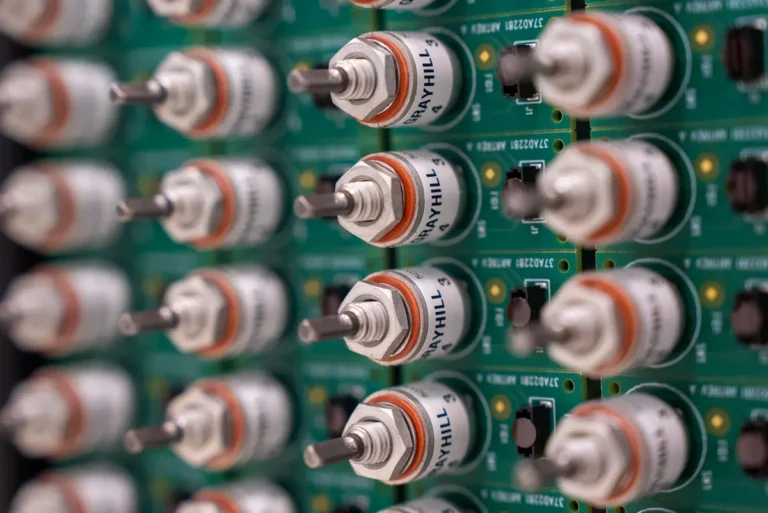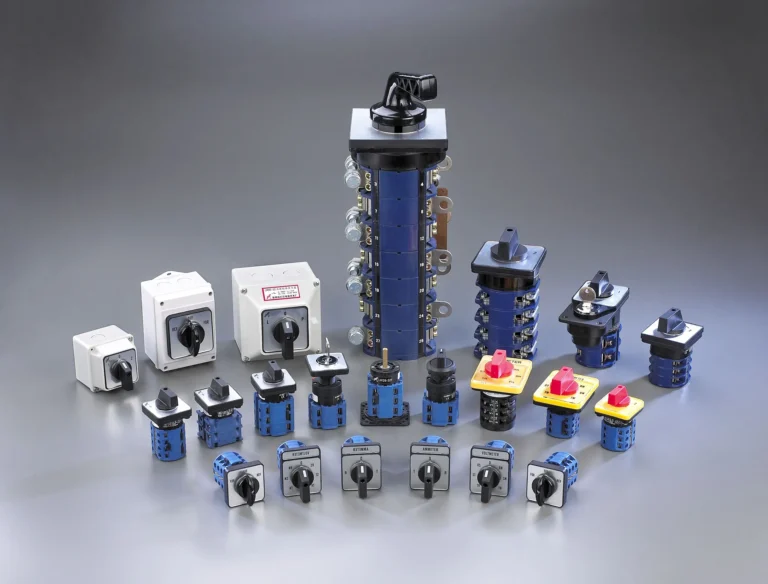






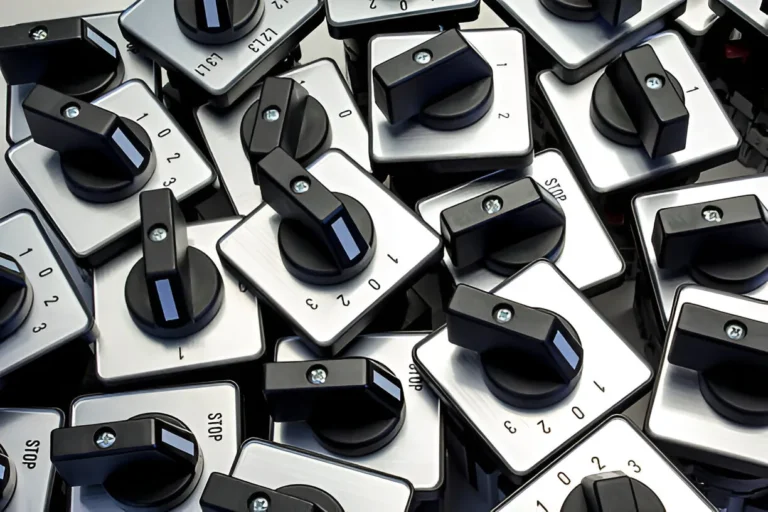
The discussion in this blog centers on 3-position and 4-position rotary switches, alongside key considerations for partnering with providers who prioritize quality and adhere to industry standards. For manufacturers operating in sectors like vehicle solutions, military applications, and healthcare equipment, the choice between a 3-position and 4-position rotary switch extends beyond simply adding an extra setting. It […]
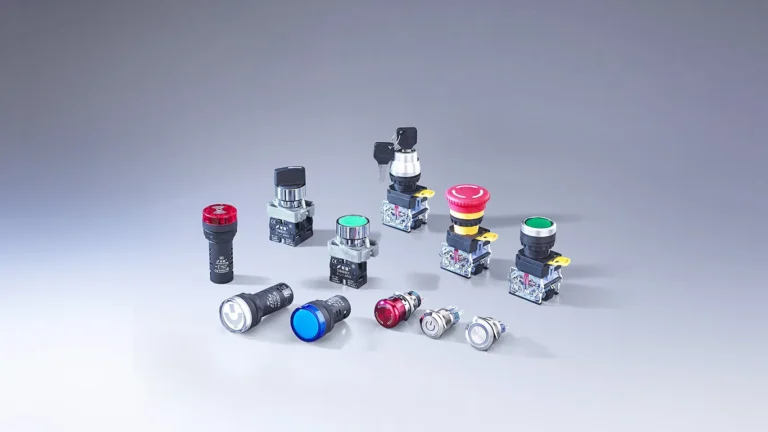
What is the Push Button Switch? A push button switch is a simple yet essential mechanical device used to control electrical circuits. By pressing the button, users can either activate or deactivate the flow of electricity, depending on the switch’s configuration. These switches are widely used in various applications, from industrial machinery to household appliances, […]
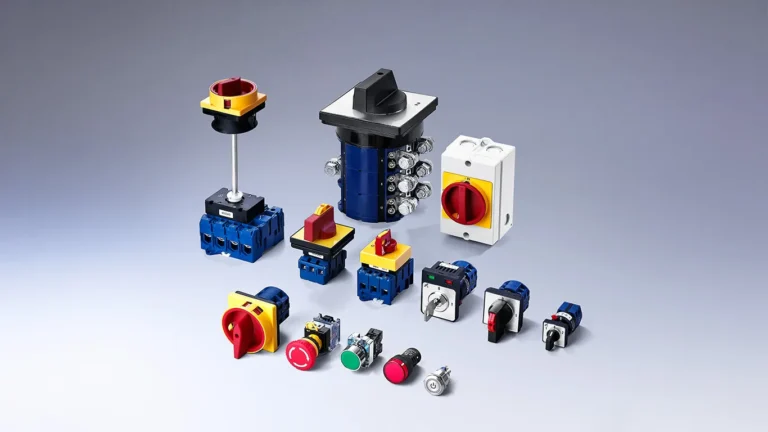
An isolator switch is a device designed to isolate a circuit, typically used to disconnect it from a power supply. These switches are widely applied in residential, corporate, and industrial settings. They come in various types, with diverse sizes, shapes, and colors. What is an isolator switch? An isolator switch, also known as a disconnector, […]
Electrical switches, in general, regulate the flow of current within a circuit and can either start or stop the current flow. There are various types of switches available based on specific needs, such as toggle, pushbutton, limit, joystick, proximity, speed, pressure, temperature, liquid level, and selector switches. This article focuses on selector switches, explaining their […]
Ever wondered how electrical systems are safely maintained? An isolator switch is a critical device that disconnects power, ensuring safe maintenance. Understanding its functions and applications is essential for any electrical setup. What is an isolator switch? An isolator switch is a mechanical switching device used to disconnect electrical circuits from power sources. It provides […]
Have you ever wondered what the difference is between a shorting and non-shorting rotary switch? Shorting rotary switches momentarily connect adjacent contacts during switching, while non-shorting switches ensure a clean break before making the next connection. Understanding these distinctions is crucial when designing circuits, as the choice between shorting and non-shorting switches can significantly impact […]
We use cookies to enhance your browsing experience, serve personalised ads or content, and analyse our traffic. By clicking "Accept All", you consent to our use of cookies.