
Оглавление
Почему переключатель для генератора имеет решающее значение для безопасного резервного питания
Генератор переключатель это ключевое устройство безопасности, позволяющее при отключении электричества переключить его с коммунальной сети на резервный генератор. Если генератор подключен к электропроводке дома без этого выключателя, это может привести к “обратной подаче”, когда электричество поступает обратно в инженерные сети. Такая ситуация может привести к серьезным травмам или смерти работников линии, а также повредить ваш генератор и домашнюю проводку.
Краткий обзор: что важнее всего
- Основная цель: Безопасно переводит энергию между сетью и генератором, гарантируя, что оба источника никогда не будут подключены одновременно.
- Преимущество безопасности: Предотвращает обратную подачу воды в инженерные сети, защищая людей и предотвращая повреждение оборудования.
- Обычные варианты: Руководство Модели требуют самостоятельного переключения, в то время как автоматический Модели самостоятельно меняют источники во время отключения.
- Установка: Чтобы установка соответствовала требованиям электротехнических норм, ее должен выполнять лицензированный электрик.
- Размер: Номинал выключателя должен соответствовать самой мощной розетке генератора, обычно 30A или 50A для большинства домов.
Во время отключения электричества использовать несколько удлинителей неудобно, а подавать питание в домашнюю розетку и незаконно, и крайне опасно. Правильно установленный переключатель устраняет эти опасности и позволяет запустить стационарное проводное оборудование, такое как печь, колодезный насос или кондиционер.
В этом руководстве мы расскажем о том, как выбрать, установить и использовать переключатель генератора. Изучение принципа работы переключателя - это отправная точка для обеспечения надежного и безопасного резервного питания дома или на рабочем месте.
Типы переключателей: Ручной и автоматический
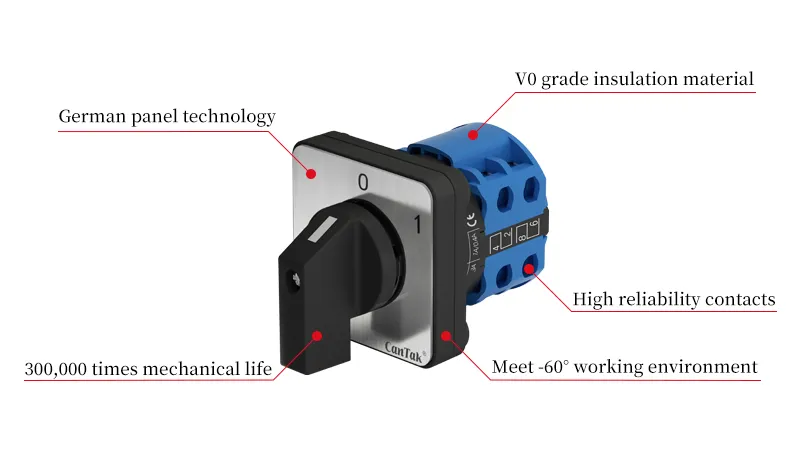
При выборе переключателя генератора главное решение заключается в том, использовать ли его руководство или автоматический модель. Обе они предназначены для безопасного перемещения вашего источника питания между электросетью и генератором, но различаются по принципу работы, стоимости и удобству использования.
Ручные переключатели (MTS)
Ручной переключатель дает вам возможность контролировать ситуацию. При отключении электроэнергии вы запускаете генератор, а затем самостоятельно перемещаете переключатель, чтобы переключить электрическую нагрузку с сети на генератор. Ручные переключатели известны своей надежностью и доступностью, что делает их подходящими для домовладельцев, которые обычно находятся дома во время перебоев. Для бытового использования распространены номиналы 32A или 63A, в то время как промышленные модели могут охватывать гораздо более широкий диапазон, от 16A до 3200A.
Автоматические переключатели (ATS)
Автоматический переключатель предназначен для работы без рук. Он постоянно проверяет состояние электросети и при обнаружении отключения автоматически запускает генератор и переключает нагрузку - часто в течение нескольких секунд. После восстановления электроснабжения АВР переключает нагрузку обратно, а затем отключает генератор после короткого охлаждения. Это особенно важно для мест, которые не могут позволить себе простои, например, больниц и центров обработки данных. Это также хороший вариант для домовладельцев, которые часто путешествуют или полагаются на оборудование, которое должно оставаться без питания, например медицинские приборы.
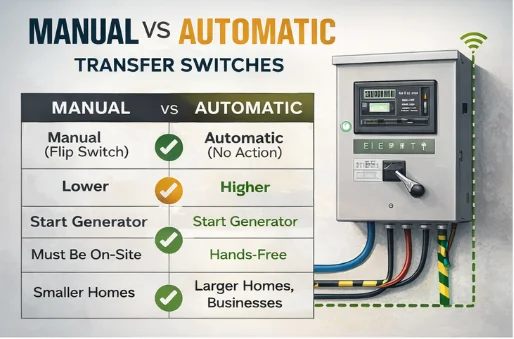
Прямое сравнение (таблица)
| Характеристика | Ручной переключатель (MTS) | Автоматический переключатель (ATS) |
|---|---|---|
| Операция | Требуется ручное управление (запустить генератор и переключить выключатель) | Автоматическое обнаружение перебоев и передача энергии |
| Первоначальная стоимость | Обычно ниже | Обычно выше за счет автоматизации и дополнительных элементов управления |
| Лучшие примеры использования | Дома, малые предприятия, некритичные нагрузки, где допустима небольшая задержка | Критически важные объекты (больницы, центры обработки данных), предприятия, большие дома, нуждающиеся в непрерывном питании |
| Удобство | Нижний (для работы необходимо присутствие на месте) | Выше (свободные руки, немедленное восстановление) |
| Сложность установки | Умеренный | Более высокая (больше элементов управления и интеграция генератора) |
| Время отклика | Зависит от действий пользователя | Как правило, в течение нескольких секунд |
| Безопасность | Отличное качество при правильной установке и эксплуатации | Превосходная, со встроенными средствами защиты, снижающими вероятность человеческих ошибок |
| Управление питанием | Пользователь вручную определяет, какие цепи должны быть запитаны | Некоторые “умные” модели ATS могут автоматически управлять нагрузками и определять их приоритетность |
В целом, АВР является предпочтительным вариантом, когда непрерывное питание имеет решающее значение. Однако ручной переключатель остается надежным и экономически эффективным решением для многих домашних пользователей.
Подготовка к установке переключателя для генератора
Правильное планирование делает установку переключателя генератора более безопасной и простой. Хотя в этом разделе описано, чего следует ожидать, фактическая установка должна выполняться специалистом. лицензированный электрик для обеспечения безопасного выполнения работ и соответствия местным электротехническим нормам.
Основные компоненты системы передачи энергии
Полная система резервного питания обычно состоит из нескольких частей, работающих вместе:
- Переключатель: Основное устройство, обеспечивающее безопасную передачу энергии между электросетью и генератором.
- Коробка для подключения питания: Устойчивая к атмосферным воздействиям точка подключения на открытом воздухе, используемая для подключения портативного генератора.
- Шнур генератора: Прочный кабель, рассчитанный на безопасную передачу полной мощности генератора.
- Генератор: Резервный источник питания - переносное устройство или стационарный генератор.
- Главная электрическая панель: Панель выключателей, где подключен или встроен переключатель.
Определение размеров и выбор подходящего выключателя
Правильный выбор размера выключателя необходим для предотвращения перегрева, повреждения оборудования или преждевременного выхода его из строя. Самое главное правило простое: подберите ампераж переключателя в соответствии с самой большой розеткой генератора.
Например, генератор с 30A розетка нуждается в 30A переключатель, в то время как 50A розетка требует 50A переключатель.
Также необходимо учесть нагрузки, которые вы планируете задействовать во время отключения, например, холодильник, печь, освещение или другие приоритетные цепи. Типичный 5 000 Вт генератор может поддерживать примерно шесть контуров, В то время как более крупные генераторы могут работать с дополнительными цепями в зависимости от потребности. Для повышения безопасности и надежности выбирайте выключатель, который Сертифицировано UL или CSA, и подтвердите, что он имеет правильный рейтинг защиты окружающей среды, например NEMA 3R или IP65-при установке на открытом воздухе или во влажных помещениях.
Для получения более подробных технических рекомендаций вы можете ознакомиться с данными по выбору переключателей. Наши сотрудники также могут оказать помощь в выборе подходящего переключателя для домашнего электроснабжения.
Меры предосторожности, инструменты и материалы
Электромонтажные работы сопряжены с серьезным риском. Пользоваться услугами лицензированного электрика необязательно - это поможет защитить вашу семью, обеспечить соответствие нормам и избежать проблем со страхованием.
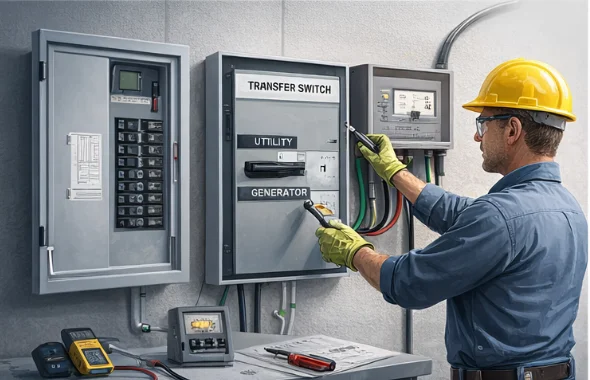
Перед началом монтажа электрик должен отключить основное питание и подтвердить тестер напряжения чтобы система была полностью обесточена. Надлежащие средства защиты, включая изолированные перчатки и защитные очки, Их следует использовать на протяжении всей работы.
Общие инструменты и материалы включают:
- Отвертки, щипцы для зачистки проводов и плоскогубцы
- Тестер напряжения
- Сверло
- Правильный калибр проводов для предотвращения перегрева
- Кабелепровод и соединители для защиты и крепления проводки
- Кабельные стяжки и электрическая лента
- Электрическая схема производителя и руководство по установке для конкретной модели выключателя
Пошаговое руководство по установке и подключению
Установка переключателя генератора - это детальная электротехническая работа, которую должен выполнять только специалист. лицензированный электрик. Шаги, описанные ниже, приведены для общего понимания, чтобы вы могли понять, что делает установщик и почему каждое действие имеет значение.
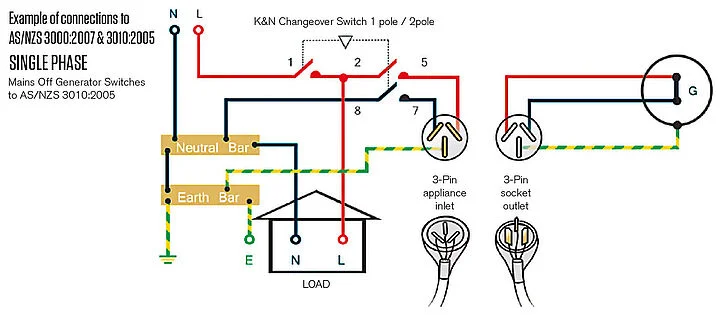
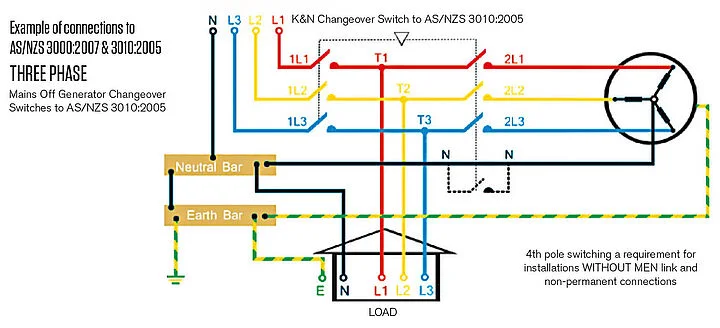
Понимание типичной схемы подключения переключающего выключателя
Стандарт однофазный На электрической схеме показан путь прохождения электричества через переключатель. Большинство переключателей имеют три основные точки подключения:
- Коммунальные терминалы: Где электроэнергия из сети поступает в выключатель
- Генераторные клеммы: Куда поступает резервное питание от генератора
- Нагрузочные клеммы: Где питание выходит из выключателя и подается на выбранные домашние цепи
Ключевым элементом безопасности является переключатель сломать, прежде чем сделать конструкция. Этот механизм отключает один источник питания перед подключением другого, что помогает предотвратить обратную подачу питания и снижает риск повреждения оборудования. Во время установки электрик также убедится, что под напряжением, нейтраль и заземление проводники заделаны правильно, а подключенные цепи сбалансированы в соответствии с требованиями. Если вы хотите получить более подробное объяснение методов подключения, вы можете обратиться к руководству по подключению автоматического переключателя для генератора.
Пошаговая установка ручного выключателя
Ниже приведен типичный процесс, которому может следовать лицензированный электрик при установке ручного переключателя или переключения:
- Отключите основное питание: Отключите главный выключатель и убедитесь, что питание отключено, используя тестер напряжения.
- Установите переключатель: Закрепите корпус распределительного устройства на стене рядом с главным электрическим щитом.
- Установите коробку с силовым вводом: Для портативных генераторов установите на открытом воздухе стойкий к атмосферным воздействиям входной короб (например, агрегаты с номиналом NEMA 3R или IP67, в зависимости от местоположения).
- Прокладка кабелей и проводов: Установите кабелепровод между главным щитом, распределительным выключателем и вводной коробкой для защиты проводов, а затем протяните через него провода соответствующего размера.
- Подключите инженерные коммуникации: Проложите и подключите кабель от главной панели к коммутатору коммунальные услуги терминалы.
- Подключите питание генератора: Заделайте проводники от вводной коробки до выключателя. генератор терминалы.
- Подключите выбранные цепи нагрузки: Перенесите выбранные цепи (например, холодильник и печь) с главной панели на выключатель загрузка клеммы, чтобы они могли получать питание во время перебоев.
- Проверьте все соединения: Убедитесь в том, что заделки герметичны, правильно изолированы и проложены для снижения нагрева и предотвращения повреждений.
- Наклейте схемы: Четко обозначьте каждую переданную цепь как на выключателе, так и на панели, чтобы было удобно работать во время отключения.
- Протестируйте систему: Восстановите электропитание, затем проверьте работу переключения с помощью генератора, чтобы убедиться в безопасности переключения и правильности работы.
Эксплуатация и устранение неисправностей ручного переключателя
После того как квалифицированный электрик установит переключатель генератора, его использование во время отключения станет простым и гораздо более безопасным, чем использование многочисленных удлинителей. Это также снижает многие практические проблемы и проблемы безопасности, которые возникают при прокладке временных кабелей через двери или окна.
Как использовать ручной переключатель во время отключения электроэнергии
При сбое в подаче электроэнергии используйте следующую последовательность действий:
- Сначала отключите электрические цепи: На распределительном щите переключите все индивидуальные автоматические выключатели на OFF. Затем переместите главный выключатель к OFF (центр) должность.
- Установите генератор в безопасном месте на открытом воздухе: Установите генератор на улице, по крайней мере 20 футов вдали от дверей и окон, в хорошо проветриваемом месте, чтобы снизить риск воздействия угарного газа.
- Подключите генератор: Подключите шнур генератора к генератору и коробка ввода питания, Убедитесь, что оба конца полностью посажены.
- Запустите и прогрейте генератор: Запустите устройство и дайте ему поработать несколько минут, чтобы оно стабилизировалось.
- Переключитесь на питание от генератора: Вернитесь к распределительному устройству и переведите главный выключатель в положение ГЕНЕРАТОР должность.
- Вводите схемы постепенно: Включайте выключатели по очереди, начиная с наиболее важных нагрузок (например, холодильника). Такой поэтапный подход поможет избежать перегрузки генератора.
Процедура при возобновлении подачи электроэнергии
После восстановления электропитания переключитесь на другой режим работы контролируемым образом:
- Поверните OFF все отдельные автоматические выключатели на распределительном устройстве.
- Переместите главный выключатель из ГЕНЕРАТОР на OFF, затем из OFF на UTILITY.
- Выключите генератор и дайте ему остыть, прежде чем отсоединять шнур.
- Вернитесь к распределительному устройству и поверните отдельные автоматические выключатели. НА снова.
Общие проблемы с устранением неисправностей
Если что-то не работает так, как ожидалось, проверьте эти типичные причины:
- Генератор не работает: Проверьте уровни топлива и масла, а также срабатывание собственных выключателей генератора. Убедитесь, что шнур генератора надежно подключен с обоих концов. Если генератор работает, но не выдает никакой мощности, возможно, ему требуется профессиональное обслуживание.
- Переключатель трудно перемещать или он заедает: В некоторых моделях используются отдельные ручки или блокираторы. Не нажимайте на выключатель, который действительно не двигается. Остановитесь и обратитесь к электрику, чтобы он проверил его.
- Выключатели постоянно срабатывают: Обычно это указывает на перегрузку генератора - слишком много нагрузок запускается или работает одновременно. Отключите несущественные цепи и постепенно добавляйте их, чтобы найти безопасный предел. В некоторых случаях повторное отключение может также указывать на неисправность электроприбора.
- Признаки неправильной проводки: Мерцающий свет, необычное поведение приборов или непостоянное питание могут свидетельствовать о серьезной проблеме с проводкой. В этом случае немедленно отключите генератор и выключатель и вызовите лицензированного электрика.
Заключение
Изучение и установка переключателя генератора - это, прежде всего, решение, направленное на обеспечение безопасности. Он помогает защитить людей, снижает риск повреждения имущества и поддерживает базовый комфорт при перебоях в электроснабжении. Предотвращая опасное обратное питание и защищая бытовую проводку и приборы, переключатель, установленный квалифицированным электриком, становится основой надежной системы резервного электроснабжения.
ЧАСТО ЗАДАВАЕМЫЕ ВОПРОСЫ
1.Могу ли я сам установить переключатель?
Нет. Самостоятельная установка крайне не рекомендуется. Переключатель генератора должен устанавливаться специалистом лицензированный электрик потому что работа связана с высоковольтной проводкой и может быть очень опасной. Профессиональная установка важна по нескольким причинам:
- Безопасность: Неправильная проводка может привести к серьезному поражению электрическим током, возгоранию, повреждению приборов и генератора.
- Соответствие кодексу: Электрик гарантирует, что установка будет соответствовать местным электротехническим нормам, что поможет вам избежать проблем с проверкой и возможных штрафов.
- Страхование и гарантия: Многие страховые полисы и гарантии на продукцию могут не действовать, если система установлена неправильно или неквалифицированным специалистом.
Нанять квалифицированного электрика - это практический шаг к более безопасной работе и долгосрочному спокойствию.
2.Как узнать, какой размер переключающего устройства мне нужен?
Размер обычно прост. Главное правило заключается в следующем подберите номинальную силу тока выключателя к самой большой розетке генератора.
Если самая мощная розетка вашего генератора 30A (часто с замком L14-30R), вам нужен 30A выключатель. Если розетка генератора 50A, выберите 50A выключатель. Ваш электрик также может проверить выбор, сложив мощность цепей, которые вы планируете запустить во время отключения, чтобы убедиться, что система правильно подобрана. Выключатели доступны в широком диапазоне - примерно 16A - 3200A-для различных мощностей генераторов.
Для получения дополнительных рекомендаций вы можете обратиться к информации о выборе переключателя электропитания для дома.
3.В чем разница между переключателем и комплектом блокировки?
Оба варианта предназначены для предотвращения обратной подпитки, поскольку не позволяют вашему дому одновременно питаться от генератора и от электросети. Разница заключается в том, как они достигают этой защиты.
A переключатель (переключатель передачи) это специализированное устройство с отдельными входами для подключения к электросети и генератору. Он отключает один источник перед подключением другого, а многие модели оснащены встроенными выключателями для цепей, питающихся от генератора.
An комплект блокировки это механическое устройство, устанавливаемое на существующую главную электрическую панель. Оно использует скользящую пластину или аналогичный механизм для предотвращения главный выключатель и выключатель генератора от одновременного включения.
В целом, комплекты блокировки часто более доступны по цене, в то время как переключатели обычно имеют больше структур и функций и обычно рассматриваются как более полное решение. И те, и другие могут соответствовать нормам и правилам, но требования могут варьироваться в зависимости от места установки.